
How Professional Teams Prepare for the Biggest Matches This Year
Preparing for decisive matches in the modern professional environment is a complex, multi-layered process that goes far beyond ordinary training. When world championship titles or multi-million-dollar prize pools are on the line, every aspect of a team’s routine is focused on one goal: reaching peak performance at a specific moment in time. This year has been particularly significant for the industry, as technological progress and new data analysis methods have fundamentally transformed the nature of strategic preparation.
Meta Analysis and Adaptation to Innovation
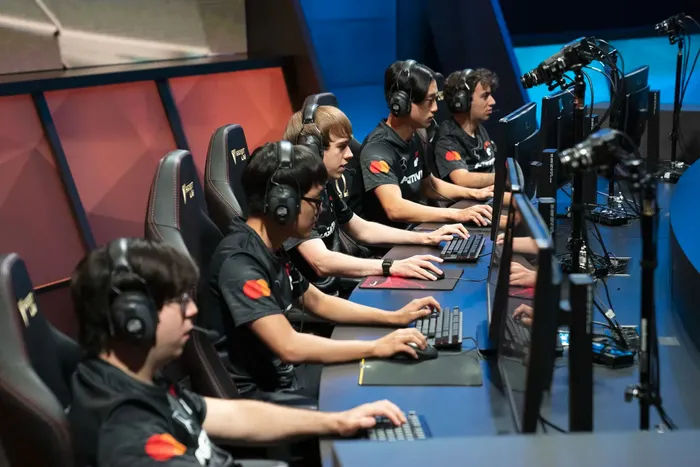
The first stage of preparation always begins with a deep analysis of the current state of the discipline. For esports teams, this means studying recent updates, balance changes, and understanding how new gaming releases influence the tactical landscape. Teams spend hundreds of hours trying to determine which characters, strategies, or game mechanics have become the most effective. Analytical departments collect data on every move of potential opponents, creating “heat maps” and modeling likely match scenarios.
However, analysis is only half the battle. True mastery lies in adaptation. Professional players must not only understand new mechanics but also feel them intuitively. This is achieved through endless scrimmage sessions with teams whose playstyle resembles that of future opponents. During these training matches, players experiment with unconventional strategies that could surprise their rivals at crucial moments.
Another important aspect is the use of technical tools. Artificial intelligence has become a common instrument for predicting enemy behavior. Specialized software can detect patterns in how players react under pressure, providing team captains with valuable insights for real-time decision-making. In this way, intellectual preparation becomes the foundation upon which all other aspects of training are built.
Physical Conditioning and Biohacking in Professional Sports
Modern sports and esports have long moved away from the concept of “training until exhaustion.” Today, preparation is based on a scientific understanding of the human body. Leading organizations hire nutritionists, sleep specialists, and physiotherapists to ensure players remain in optimal condition. Sleep schedules are monitored using smart rings and biometric sensors, as even minor sleep deprivation can significantly reduce reaction speed and cognitive performance.
Nutrition plans are also tailored individually for each player. Diets focus on maintaining stable blood sugar levels to prevent energy crashes during long matches. In addition, physical workouts have become a mandatory part of the schedule. Strong core muscles help players withstand hours of static posture, while cardiovascular exercises improve oxygen delivery to the brain, allowing players to maintain mental clarity during stressful moments.
Recovery is another key component. Cryotherapy sessions, massages, and specialized breathing techniques help players release muscle tension and manage stress after intense practice. This comprehensive approach—resembling the preparation of astronauts—allows teams to remain productive throughout demanding tournament schedules while avoiding burnout and physical issues that previously ended many professional careers prematurely.
Psychological Resilience and Team Synergy
When two teams possess similar levels of skill, the outcome of a match is often determined by psychology. Working with mental coaches has become an essential part of preparation for major events this year. Players learn grounding techniques, success visualization, and methods for managing frustration. The goal is not simply to avoid mistakes but to quickly reset after setbacks without allowing negative emotions to affect future rounds.
Team synergy is another critical factor. In moments of extreme pressure, communication must be flawless. Teams often participate in special team-building exercises designed to strengthen trust and coordination. Psychologists help maintain a healthy environment where criticism is constructive and every player feels supported. This allows the team to function as a single organism, where each member clearly understands their role and responsibilities.
An important part of psychological preparation is the simulation of stressful scenarios. Coaches deliberately recreate uncomfortable conditions during practice—such as loud noise, technical issues, or artificially created score disadvantages. These situations build resilience and prepare players to stay calm regardless of external circumstances. As a result, when the biggest matches arrive, the team enters the arena with full confidence in both their own abilities and their teammates.
Bootcamps: Creating the Ideal Micro-Environment
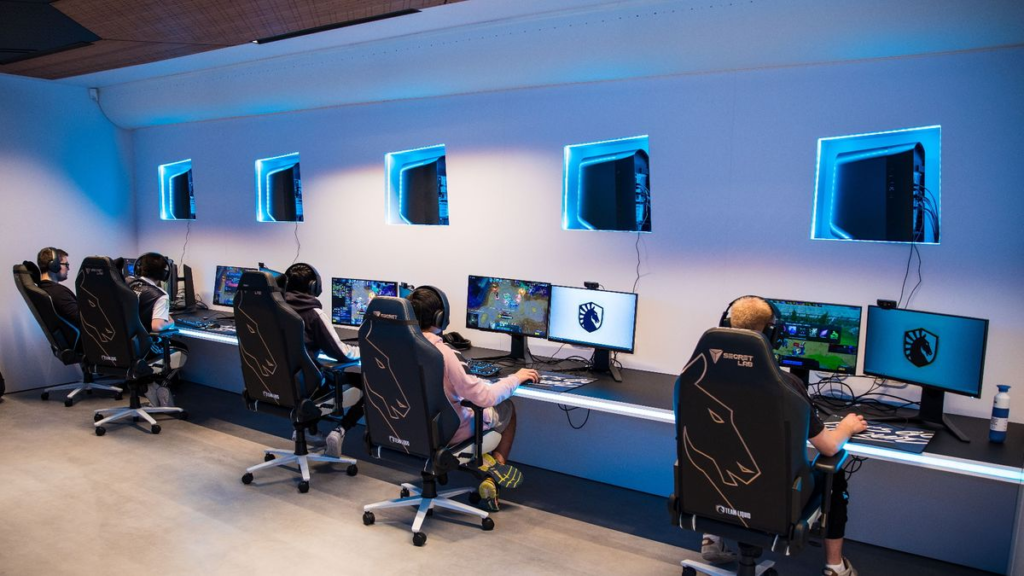
Several weeks before a major tournament, teams often organize bootcamps—intensive training camps conducted in isolated environments. The goal is to eliminate everyday distractions and focus entirely on preparation. Bootcamp locations are chosen carefully: they must offer excellent infrastructure, minimal interruptions, and, in the case of esports, low latency connections to game servers.
During bootcamps, daily schedules are meticulously structured. The day usually begins with light physical exercise and a shared breakfast, followed by theoretical sessions and strategic discussions. Afterward, teams play a series of practice matches, analyze mistakes, and return to further practice. This deep immersion allows teams to refine tactical systems to near perfection. Many legendary “secret strategies” that later define major tournaments are developed during these bootcamps.
Living together also helps players better understand each other’s personalities. Coaches can observe team dynamics around the clock and address potential conflicts immediately. Bootcamps represent the final stage of preparation, where all previous work is combined into a unified strategy for victory. It is a time of maximum focus, when every team member understands that the success of an entire year may depend on these few weeks.
Conclusion
Preparing professional teams for the most important matches of the year is a combination of advanced technology, scientific approaches to human performance, and strict discipline. In today’s competitive environment, talent alone is no longer enough. Players must rely on a complete support system that maintains their physical condition, mental well-being, and strategic flexibility.
Only teams that successfully combine analytics, biohacking, psychology, and intensive practice ultimately lift trophies above their heads and write their names into the history of sport.