
Why Reliable Hardware Is the Backbone of Modern Fleet Monitoring Systems
Running a fleet is a tough job that requires the best tools. Managers rely on data to keep their trucks moving and their drivers safe. If the hardware is not reliable, the whole system falls apart. You need gear that works in the rain, the heat, and the cold.
Picking the right equipment is the first step to building a strong monitoring system. High-quality components act as the eyes and ears of a fleet manager.
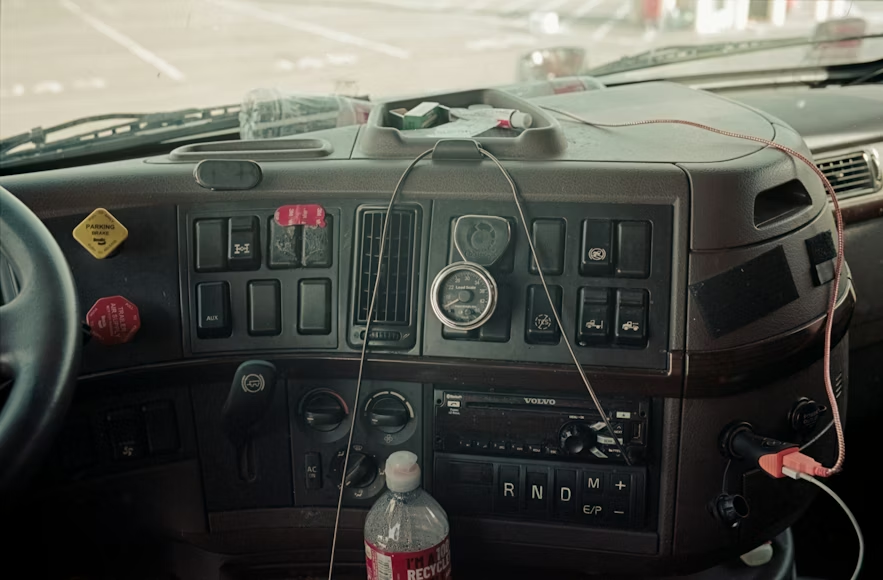
Why Hardware Quality Matters
Managing a fleet involves many moving parts. Managers need tools that work every single time without fail. Low-cost gear might seem like a bargain, but it often leads to missed data and broken connections.
Reliable gear stays connected even when the signal gets weak. Without good hardware, the best software in the world cannot do its job properly.
High-quality components reduce the risk of a system crash. When the hardware is solid, the software can run without any glitches.
Dash Cams
Visual evidence provides a layer of security that simple GPS tracking cannot match. Fleet owners find that whether you look at HD Fleet or other cameras, the right hardware provides a clear record of every mile. High definition lenses make it easy to see license plates and street signs.
Drivers feel safer knowing they have a silent witness riding along with them. Cabin cameras help monitor driver fatigue and distracted behavior.
Alerts can sound when a driver looks away from the road for too long. These tools help prevent accidents before they happen by keeping the focus on safety.
Building Strong Data Infrastructure
A recent research paper highlighted that a strong data infrastructure is the basis for handling information from vehicles and drivers. Modern setups need this strength to handle the massive amount of info coming in daily.
Collecting data is only the first step in a long process. The hardware must be able to send that info to the cloud without losing anything. Strong servers and fast processors help turn raw numbers into useful insights for the business.
Good infrastructure keeps the data flowing during peak hours. It prevents bottlenecks that can slow down real-time alerts. Managers can trust that the info they see on their screens is accurate and fresh.
Advanced Sensors In Modern Vehicles
Technical reports show that combining LiDAR, radar, and camera sensors has made vehicle perception much better lately. These improvements help trucks and cars understand their surroundings with higher precision.
Sensors work together to build a 360-degree view of the vehicle. Better perception leads to smoother driving and fewer sudden stops.
Hardware must be calibrated correctly to provide accurate readings. If a sensor is off by just a few inches, it can cause problems for the entire system. Professional installation helps make sure everything is aligned for the best results.
Video Telematics And Accountability
An industry review mentioned that tools like Raven+ use video telematics to give live and past views of vehicle activity.
These systems help maintain driver accountability by tracking what happens during every trip. Owners can check in at any time to see how their assets are performing.
Accountability leads to better fuel efficiency and less wear on the engine. When drivers know their habits are being tracked, they tend to drive more carefully.
Managers can use these clips to train new employees on best practices. Real-world examples are much more effective than a handbook or a lecture. Seeing a near miss helps drivers understand the risks they face every day.
Physical Durability For Long Hauls
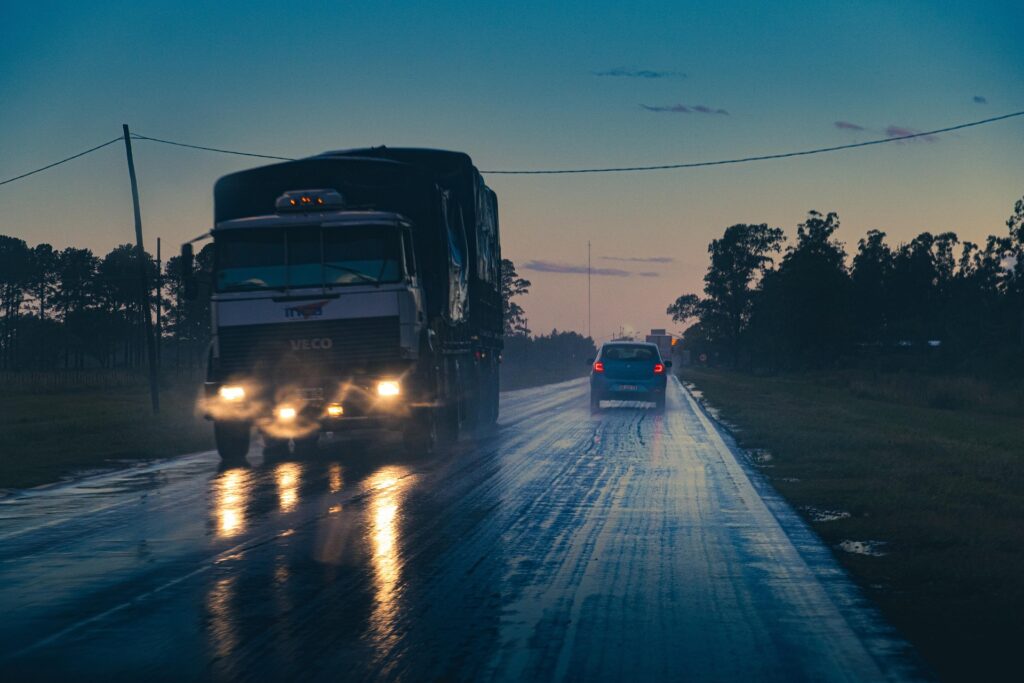
Fleet vehicles face tough conditions like extreme heat and heavy rain. Hardware needs to be rugged enough to handle these environments without shorting out. Vibration from the road can damage delicate electronics if they are not built well.
- Industrial-grade cases protect internal components from dust.
- Strong mounts keep cameras from shaking loose on bumpy roads.
- Heavy-duty wiring prevents signal loss during long trips.
- Weatherproof seals keep moisture away from sensitive parts.
Replacing cheap hardware every year costs more than buying quality gear once. Fleet owners should look for devices with high IP ratings for water and dust resistance.
Future Proofing Tech Investments
Technology changes fast, so hardware should be able to grow with the company. Picking gear that allows for software updates helps extend its useful life. This way, you do not have to replace every device when a new feature comes out.
Expandable systems let you add more sensors or cameras later. This flexibility is great for growing businesses that might need more data in the future. Starting with a solid base makes it easier to scale up your operations.
Standard connectors like OBD-II make it simple to swap devices between different vehicles. This saves time during fleet rotations or when adding new trucks to the line. Compatibility is a major factor in choosing the right hardware provider.
Choosing the right equipment is a big step toward a safer fleet. Reliable hardware forms the foundation of every successful monitoring program. It provides the data and video needed to make smart choices.